
You Have Video of the Crash—But You’re Not Sure What It Really Means Yet
After a car crash on I-285 around Atlanta, I-20 near Decatur, or roads in Sandy Springs, having a dashcam video can feel like a major advantage. Many people feel relieved knowing the motor vehicle accident was captured. That footage can serve as valuable video evidence, but it’s normal to wonder how it actually fits into your case under Georgia law.
At first glance, it may seem like the video tells the whole story. A clear dashcam video can show how the car accident happened and the sequence of events. Because of this, many drivers assume video evidence automatically determines the outcome of a motor vehicle accident case.
In reality, it’s more nuanced. While dashcam video is helpful, it’s only one part of the picture. Angles, timing, and what the footage does—or doesn’t—show can all affect how it is viewed from a legal standpoint.
At Atlanta Accident Lawyers, we help clients evaluate dashcam video and other evidence after a car crash so you can move forward with clarity and confidence.

Having Footage of the Crash Can Help You—But It Doesn’t Tell the Whole Story
A dashcam video can feel like a major advantage after a car crash, especially when it clearly captures the motor vehicle accident as it happened. In many cases, this type of video evidence supports your version of events and provides a visual record that can be helpful from a legal perspective.
Even so, context still matters. A dashcam video may show the moment of impact, but it does not always capture everything leading up to the car crash or what happened immediately after. Factors like speed, road conditions, and driver behavior outside the frame can still influence how a motor vehicle accident is evaluated under the law.
Other evidence often plays a role alongside video footage. Witness statements, police reports, and medical records can all help complete the picture. When combined with dashcam video, these details strengthen how the events of a car crash are understood.
When Your Video Shows What Happened, It Can Help Clarify Fault
In many cases, a dashcam video provides a clearer view of how a car crash unfolded. When details are disputed after a motor vehicle accident, this type of video evidence can help show what actually occurred and support a more accurate understanding from a legal perspective.
Driver Actions Leading Up to the Impact Matter
A dashcam video can capture how each driver was behaving before the car crash. Lane changes, braking patterns, and reaction time may all be visible, helping explain how the motor vehicle accident developed.
Key Details, Like Signals and Positioning, Can Be Preserved
Important factors such as traffic signals, vehicle positioning, and relative speed are often recorded. This video evidence can provide context that might otherwise be difficult to reconstruct after a car crash.
Conflicting Accounts Can Be Easier to Resolve
When different versions of events arise, a dashcam video can help clarify what actually happened. By offering a visual timeline of the motor vehicle accident, video evidence can reduce uncertainty and support a more consistent interpretation.
When Your Footage Is Reviewed, Insurers May See It Differently Than You Do
After a car wreck, insurance companies often examine every detail available—including video evidence. While footage from a motor vehicle accident can help show what happened, it is typically reviewed closely by adjusters who analyze it from a legal and financial perspective.
Adjusters may go frame by frame to evaluate timing, positioning, and driver behavior. In a motor vehicle accident, even small details in video evidence—such as braking patterns or lane placement—can be interpreted in different ways. This level of review can influence how a car wreck is assessed.
Interpretation can vary depending on perspective. What seems clear in your view of the video evidence may be viewed differently by an insurer. In some motor vehicle accident cases, insurers may emphasize certain moments in the footage to support their position under the law.
There are also situations where footage may be used against you. If the video evidence appears to show partial fault or raises questions about driver actions, it can become part of the insurer’s argument in evaluating a car wreck.
At Atlanta Accident Lawyers, we help clients understand how video evidence is reviewed after a motor vehicle accident. With the right legal approach, you can be better prepared for how your footage may be interpreted and used.
If You Have Footage, Preserving It the Right Way Can Protect Your Case
After a car wreck, having a dashcam video can be incredibly helpful—but only if it’s properly preserved. Video proof from an auto accident can lose value if it’s altered, overwritten, or missing key details. Taking the right steps early helps ensure your footage remains reliable from a legal standpoint.
Preservation starts with keeping the original file intact. Any changes to a dashcam video, even small edits, can raise questions about authenticity. Maintaining clean, unaltered video proof helps ensure it can be used effectively under applicable laws.
To protect your footage, it’s important to:
- Save the original dashcam video file as soon as possible after the car wreck
- Avoid editing, trimming, or enhancing the video proof in any way
- Create backups of the auto accident footage to prevent accidental loss
- Keep the original timestamps and file data unchanged
- Store the video in a secure location where it won’t be overwritten
Dashcam systems often record over older footage, which makes quick action especially important. Losing video proof from an auto accident can mean losing a key piece of information that helps explain what happened.
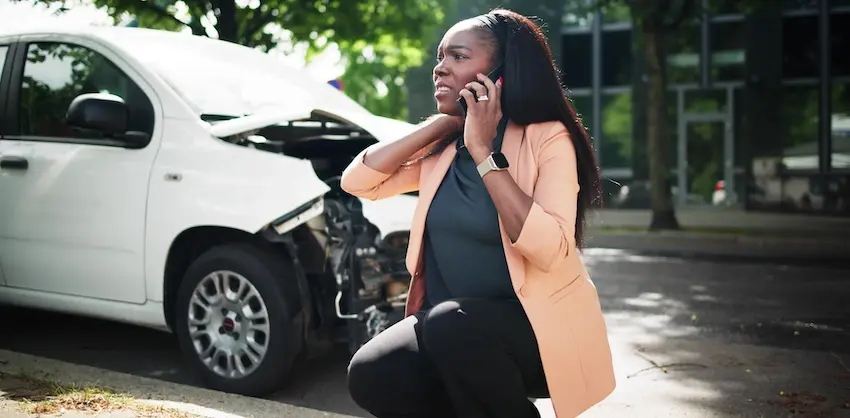
Even With a Video of the Crash, Your Injuries Still Need to Be Clearly Shown
A dashcam video can help explain how a car wreck happened, but it does not always capture what your body experienced during the impact. In many auto accident cases, video alone cannot fully show the extent of your injuries, which is why additional support is important from both a medical and legal perspective.
Medical Records Help Show What the Camera Cannot
While a dashcam video may show the moment of the car wreck, it won’t reflect pain, internal strain, or delayed symptoms. Medical documentation helps fill that gap by showing how your condition developed after the auto accident and what treatment was required.
Linking the Crash to Your Condition Matters
Establishing a clear connection between the car wreck and your injuries is an important step. Even with video, your condition must be supported through medical evaluations that explain how the auto accident affected you over time.
Additional Evidence Strengthens the Full Picture
Beyond a dashcam video, other forms of evidence—such as treatment records and expert input—can help present a more complete understanding of your situation. Together, these elements support how your auto accident is viewed under applicable laws.
If You Have Footage of the Crash, How You Handle It Can Make a Difference
After a car accident, having video evidence can feel like a major advantage—but what you do next matters. The way you manage and share that footage can affect how your auto accident is evaluated under the law. Taking a careful approach helps protect both your position and the integrity of your evidence.
One of the first steps is sharing the footage with your attorney. Before providing video evidence to an insurance company, it’s often helpful to have legal guidance on how it may be interpreted. This allows your legal team to review the car accident details and determine the best way to present the information.
It’s also important to avoid posting the footage publicly. Sharing video evidence online after an auto accident can lead to misinterpretation or unintended consequences, especially if the clip is taken out of context.
Staying organized is another key step. Keeping all related materials—such as video files, reports, and documentation—together helps ensure your car accident is clearly supported with consistent evidence.
When Your Case Is Built Strategically, Video Can Become a Powerful Supporting Tool
After a car accident, video evidence can play an important role—but how it’s used matters just as much as what it shows. A thoughtful legal with Atlanta Car Accident Lawyers approach ensures that footage from an auto accident is integrated into a broader strategy, helping present a clearer and more complete picture under the law.
Combining Footage With Other Evidence Creates Stronger Support
Video evidence is most effective when it works alongside other details. Medical records, witness statements, and reports can all help reinforce what the footage shows, giving your car accident a more complete and consistent narrative.
Clear Presentation Can Make a Meaningful Difference
How video evidence is presented can influence how it is understood. In an auto accident case, organizing footage in a way that highlights key moments helps ensure the sequence of events is easy to follow during discussions or legal proceedings.
Addressing Gaps Helps Strengthen the Overall Case
Not every angle or detail is captured in a video. Identifying what may be missing—and supporting those areas with additional evidence—helps ensure your car accident is evaluated based on the full picture, not just isolated moments.

When You Have Video of the Crash, Your Legal Team Should Help You Use It Effectively
After a car crash on I-85 through Atlanta, along GA-400 near Sandy Springs, or on busy roads in Marietta, having a dashcam video can be a major advantage. Still, knowing how to use that video evidence the right way is what truly matters. With the right legal approach, your motor vehicle accident footage can become a valuable part of your case.
At Atlanta Accident Lawyers, every case starts with a careful review of the dashcam video. Footage from a car crash is analyzed alongside other details to understand what it shows, what it doesn’t, and how it fits into the broader picture of the motor vehicle accident.
Strategy is just as important as the footage itself. Video evidence can be used during negotiations to help present a clearer version of events, especially when there are disputes about how the car crash occurred. When handled properly, this can strengthen how your case is viewed under the law.
Building a strong case means using all available information together. Dashcam video, supporting evidence, and a clear legal strategy all work together to present your situation effectively after a motor vehicle accident.
If you have dashcam video from a car crash and want to understand how it can support your case, contact Atlanta Accident Lawyers today to review your video evidence at 706-810-5140 and take the next step with confidence.