After the Crash, You’re Dealing With More Than Injuries—The Other Driver Disputes Fault
What should be a straightforward recovery after a car accident can quickly become frustrating when the other driver disputes fault. Whether the crash happened on I-285, Peachtree Road, or I-20 near Decatur, it’s common for the other motorist to challenge what happened, creating added stress while you’re trying to heal.
Disputes over fault happen more often than expected. After a car accident, drivers may remember events differently or try to shift responsibility. When the other driver disputes fault, it can make it harder to determine what actually occurred under Georgia law.
This can also delay your claim. Insurance companies may take longer to review details and question key facts, slowing your ability to move forward.
At Atlanta Accident Lawyers, we understand how frustrating it is when the other driver disputes fault after a car accident. With the right legal support, you can move forward with clarity and confidence.

What the Other Driver Says Doesn’t Decide What Actually Happened
After a car accident, it’s common for the other driver to quickly claim that you were responsible. Even when someone disputes fault, that statement alone does not determine the outcome. Under Georgia law, fault is based on evidence—not opinions expressed at the scene.
Liability is evaluated through a combination of factors. Police reports, witness statements, photos, and other documentation all play a role in determining what occurred. When the other motorist disputes fault, these pieces of evidence become essential in building a clear picture of the car accident.
Statements made immediately after a crash can be incomplete or influenced by stress. It’s not unusual for the other driver to give a version of events that differs from yours. However, early accusations do not control how fault is ultimately decided under the law.
The focus remains on what can be proven. Even if the other driver disputes fault, a thorough legal review considers all available evidence to determine responsibility for the car accident.
The Outcome of Your Case Depends on What Can Be Proven
When the other driver disputes fault after a car accident, the focus shifts to evidence. What can be documented, verified, and clearly presented will carry far more weight than conflicting statements. Under the law, strong evidence is what ultimately supports your position.
Reports and Firsthand Accounts Help Tell the Story
Police reports, witness statements, and scene photos provide an initial snapshot of what happened. These details can help clarify how the car accident occurred, especially when the other motorist disputes fault and gives a different version of events.
Physical Evidence Can Reveal How the Crash Happened
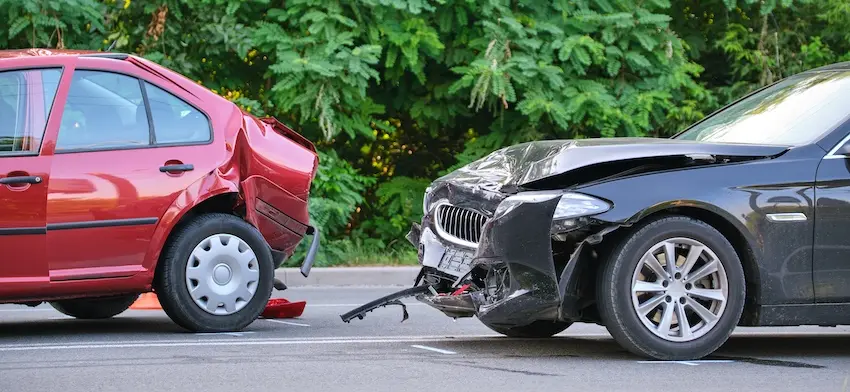
Vehicle damage, skid marks, and impact points often provide important clues. In some cases, accident reconstruction may be used to analyze these factors and better understand the sequence of events when fault is disputed.
Acting Early Helps Protect Important Details
Timing matters. Gathering evidence soon after a car accident helps preserve details that may fade or be lost. When the other driver disputes fault, having clear and timely documentation can make a meaningful difference in how your case is evaluated under the law.
When Fault Is Disputed, Insurance Companies Will Take a Closer Look at Your Case
After a car crash, it’s common for an insurance company to step in and review what happened—especially when the other motorist disputes fault. Instead of accepting one version of events, adjusters evaluate multiple factors to determine how responsibility should be assigned under the law.
This process often involves comparing statements, reviewing reports, and analyzing available evidence. When the other motorist disputes fault, insurers may look for inconsistencies or gaps that could affect how the claim is handled. The goal is to assess which version of the car crash is most supported by the facts.
It’s also important to understand that insurers may initially lean toward their own policyholder. When the other motorist disputes fault, their insurance company may defend their position while continuing the investigation. This can make the process feel more challenging as your claim moves forward.
A disputed fault can influence how a claim is valued. If responsibility is unclear, settlement discussions may take longer or involve additional review. A strong legal approach focused on evidence can help address these challenges and support your position.
Even If Fault Is Shared, You May Still Have a Path to Recovery
After an auto accident, it’s not uncommon for the other motorist to dispute fault or argue that you share responsibility. Under Georgia law, this does not automatically prevent you from pursuing a claim. Instead, comparative fault rules are used to evaluate how responsibility is divided and how compensation may be affected.
Georgia follows a modified comparative fault system. This means your ability to recover depends on your level of responsibility, even when the other motorist disputes fault. Understanding how this works can help you make sense of your options moving forward.
- Shared fault can reduce your compensation: If you are found partially responsible for the auto accident, your recovery may be reduced by your percentage of fault under applicable laws.
- You may still recover if you are less than 50% at fault: Even when the other motorist disputes fault, you can still pursue compensation as long as your share of responsibility does not reach the legal threshold.
- Percentages directly impact your outcome: The final amount you may recover is adjusted based on how fault is divided, which makes accurate evaluation critical in these cases.
When a fault is disputed, having a clear legal strategy and strong supporting evidence becomes even more important. At Atlanta Accident Lawyers, we help clients navigate comparative fault issues and build cases that reflect what truly happened—so you can move forward with confidence.
When the Other Motorist Disputes Fault, Your Next Steps Can Protect Your Claim
After a car wreck, it can be frustrating to learn that the other motorist disputes fault. In these situations, what you do next matters. Taking the right steps early can help protect your position and ensure your case is supported under applicable laws.
Be Careful With Statements Early On
Insurance companies may request recorded statements soon after a car wreck. When the other motorist disputes fault, it’s important to be cautious. Speaking without preparation can lead to misunderstandings or incomplete details being used against you later.
Preserve Evidence and Track Your Condition
Documenting what happened is essential. Photos, reports, and medical records all help show how the car wreck occurred and how it affected you. When the other motorist disputes fault, this type of evidence becomes especially important under the law.
Stay Consistent in Your Account
Consistency matters when your claim is reviewed. Providing a clear and accurate account of events helps avoid confusion, especially when the other driver disputes fault. Keeping your details aligned across reports and conversations strengthens your position.
At Atlanta Accident Lawyers, we help clients take the right steps when fault is disputed after a car wreck. With a clear legal approach, we work to protect your claim and guide you forward with confidence.
What You Say and Do After the Accident Can Affect Your Position
After a motor vehicle accident, small missteps can have a bigger impact than expected—especially when the other person disputes fault. In the moments that follow, it’s important to stay mindful of how your actions and statements may be viewed under applicable laws.
One common issue is admitting fault too soon. Even a casual apology at the scene can be misinterpreted as accepting responsibility. When the other person disputes fault, these statements may be used to challenge your version of events in a legal context.
Social media can also create complications. Posting about the motor vehicle accident, your injuries, or what you believe happened may seem harmless, but these details can be reviewed and taken out of context if the other person disputes fault.
Delaying medical care is another mistake to avoid. Waiting to seek treatment or failing to document your condition can make it harder to clearly show how the motor vehicle accident affected you. Consistent records help support your position under the law.

When the Other Motorist Disputes Fault, Your Legal Team Can Help You Take Control of the Situation
After a car accident on I-285, I-85 through Gwinnett County, or local roads in Sandy Springs or Decatur, it can be frustrating when the other motorist disputes fault. What should be a straightforward process can quickly become more complicated, especially when insurance companies begin evaluating conflicting accounts under Georgia law.
At Atlanta Accident Lawyers, the focus is on challenging inaccurate blame assessments from the start. When the other motorist disputes fault, a detailed legal review of the evidence—such as reports, photos, and timelines—helps clarify what actually happened in the car accident.
Protection from insurer tactics is also key. Insurance companies may attempt to shift responsibility or minimize claims when fault is disputed. With a clear legal strategy, your case is supported in a way that addresses these challenges and keeps your position strong.
Even when the other motorist disputes fault, pursuing fair compensation is still possible. By building a case grounded in facts and consistent documentation, Atlanta Accident Lawyers helps clients move forward with confidence under the law.
If you’ve been hurt in a car accident and the other motorist disputes fault, contact Atlanta Accident Lawyers today to discuss your case at 706-810-5140 and take the next step toward protecting your rights and your recovery.