
Seat Belt Laws in Georgia Just Changed — Here Is What Accident Victims Need to Know
A car accident changes everything in an instant. What you were or were not doing inside that vehicle can determine how much compensation you recover. For years, Georgia law protected victims who were not wearing a seatbelt from having their seatbelt status used against them in court. That protection is gone. Georgia’s 2025 SB 68 tort reform has shifted the legal landscape, and unbelted drivers and passengers now face a real risk of reduced compensation, even when another driver caused the accident.
At Atlanta Accident Lawyers, we have seen how quickly insurance companies move to use any available detail to lower a settlement. Working with an experienced Atlanta car accident attorney gives you the best chance of protecting your claim and recovering what you are owed.
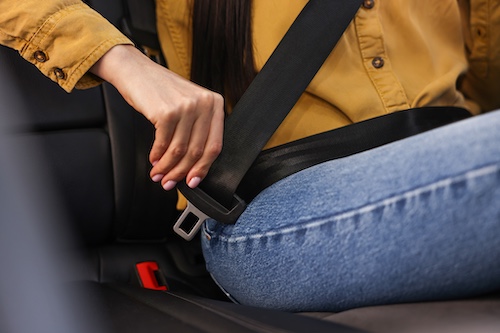
The Critical Role of Seat Belts in Georgia Traffic Crashes
Seat belts are one of the most effective safety tools available to drivers and passengers in Georgia motor vehicles.
Seat Belts Save Lives
Wearing a seat belt reduces the risk of fatal injury in a car accident by nearly half. In traffic crashes across Georgia, safety belts prevent occupants from being thrown into the windshield, dashboard, or out of the vehicle entirely. For front seat and back seat passengers alike, buckling up is the single most impactful decision made before a vehicle moves.
The Numbers Behind Seatbelt Use
Georgia sees thousands of fatal crashes each year, and a significant portion involve unbelted occupants. Studies show that unrestrained drivers and passengers are far more likely to suffer severe injuries or death in a motor vehicle crash. Lap and shoulder belts working together reduce the force of impact on the body during a collision.
Non-Use Remains a Persistent Problem
Despite clear evidence and seat belt laws, seatbelt use is still inconsistent across Georgia. Non-use is more common in rural roadways than urban areas, and pickup truck occupants tend to buckle up less often than those in passenger vehicles. The gap between knowing the risk and taking action continues to cost lives.
Seat Belts and Air Bags Work Together
Air bags alone do not provide full protection in a crash. They are designed to work with lap and shoulder belts, not replace them. An unbelted occupant can be seriously hurt by an air bag deploying at high speed. Wearing a seat belt keeps the body in the correct position for air bag protection to work as intended.
Georgia’s Seat Belt Laws: Who Must Wear a Seat Belt, When, and Penalties
Georgia law sets clear requirements for seatbelt use in passenger vehicles, and failing to comply carries real consequences.
Who Must Wear a Seat Belt in Georgia
All drivers and front seat passengers in passenger vehicles, pickup trucks, and vans are required by law to wear a seat belt. Back seat passengers who are minors must also be buckled in. Adults riding in the back seat are strongly encouraged to wear a seat belt, though enforcement rules differ from those applied to front seat occupants.
Child Restraint Requirements
Children have specific legal protections under Georgia seat belt laws. Any child under the age of 8, or under a certain weight and height threshold, must be secured in an appropriate child restraint system. Older children who exceed those thresholds must use a lap and shoulder belt. The driver is legally responsible for making sure every child in the vehicle is properly secured.
Penalties for Not Wearing a Seat Belt
Georgia treats seatbelt violations as a primary offense. Police can stop a vehicle solely because an occupant is not wearing a seat belt. A first conviction carries a fine, and repeat offenses result in higher penalties. Drivers face additional fines when a child in their vehicle is found unrestrained, separate from their own seatbelt citation.
Exceptions to the Law
Georgia law recognizes a limited number of exceptions to seatbelt requirements. Drivers with a documented medical condition may qualify for an exemption with an official certificate from a licensed physician. Emergency vehicle operators and certain other occupants may also be exempt under specific conditions. These exceptions are narrow and require proper documentation to be valid.

The Game-Changer: How SB 68 (2025 Tort Reform) Alters Car Accident Claims
Georgia’s 2025 SB 68 tort reform has fundamentally changed how seatbelt use is treated in car accident claims, and every driver needs to understand what that means.
How Georgia Handled Seatbelt Evidence Before SB 68
Before SB 68, Georgia law under O.C.G.A. § 40-8-76.1(d) blocked seatbelt non-use from being introduced as evidence in civil cases. A driver or passenger who was not wearing a seat belt at the time of a car accident could still recover full compensation for injuries. Insurance companies and opposing attorneys had no legal path to use seatbelt status against an injured person in court.
What SB 68 Changed
SB 68 removed that protection. Juries in Georgia can now consider whether an occupant was wearing a seat belt when determining fault and calculating damages. Not wearing a seatbelt at the time of a crash can now directly reduce the amount of compensation an injured person receives. The change applies to civil claims, meaning the impact is felt most in personal injury and wrongful death cases.
How Comparative Negligence Applies
Georgia follows a modified comparative negligence rule. An injured person can recover damages as long as they are less than 50% at fault for the accident. Under SB 68, a jury can assign a percentage of fault to an unbelted occupant, which reduces the total damages awarded by that percentage. The more severe the injury tied to not wearing a seat belt, the greater the potential reduction in recovery.
Types of Evidence Used Against Unbelted Occupants
After a car accident, several sources can establish whether an occupant was wearing a seat belt. Police reports, EMS records, dashcam footage, and written statements from other passengers can all be used as evidence. Insurance companies will look for any documentation that indicates seatbelt non-use to lower settlement offers. Securing legal guidance early in the process is critical to managing how that evidence is presented.
Real-World Impact on Claim Outcomes
Consider a passenger injured in a car accident who was not wearing a seat belt. A jury finds the other driver 80% at fault but assigns 20% fault to the injured passenger for not being belted. If total damages are assessed at $100,000, the injured person walks away with $80,000 instead of the full amount. That reduction can be far more significant in cases involving severe injuries, lost productivity, or long-term medical bills.
Impact on Your Injury Claim: Fault, Damages, and Insurance
Not wearing a seat belt in a Georgia car accident affects more than your safety; it can directly reduce your compensation and complicate every stage of your injury claim.
How Fault Is Assigned in Georgia Car Accidents
Georgia uses a modified comparative negligence system to determine fault in car accident cases. Each party involved in a crash is assigned a percentage of fault based on their actions leading up to and during the accident. Under SB 68, not wearing a seat belt is now a factor juries can weigh when assigning that percentage. An injured person who was unbelted may carry a share of fault even when the other driver caused the crash.
How Seatbelt Non-Use Reduces Your Damages
Compensation in a Georgia car accident claim typically covers medical bills, lost productivity, and pain and suffering. When a jury assigns partial fault to an unbelted occupant, the total damages awarded are reduced by that fault percentage. Severe injuries that might have been prevented or reduced by wearing a seat belt are particularly vulnerable to this reduction. The financial impact can be substantial depending on the nature and extent of the injuries involved.
How Insurance Companies Use Seatbelt Status
Insurance companies look for any opportunity to reduce a payout after a car accident. Under the current law, seatbelt non-use gives adjusters a documented basis to justify lower settlement offers. Insurers may also use a seatbelt citation or police report notation to support arguments that the injured person contributed to their own injuries. Filing a claim without legal representation after a crash involving seatbelt non-use puts injured people at a significant disadvantage.
Insurance Rates After a Claim
Beyond settlement value, a car accident claim can affect insurance rates regardless of fault. If seatbelt non-use is part of the record, insurers may view the policyholder as a higher risk. Rate increases following a crash are common, and documented seatbelt violations can compound that outcome. Drivers who consistently wear a seat belt carry less exposure to both physical harm and financial consequences after an accident.
What Insurers and Courts Look For
Documentation plays a central role in how fault and damages are evaluated. Police reports, EMS notes, crash scene photos, and official certificates are all reviewed when building or defending a claim. Written statements from other passengers can confirm or dispute seatbelt use at the time of the accident. Organizing this evidence early and working with an attorney helps ensure the full picture of the crash is presented accurately.

Talk to an Atlanta Accident Lawyer About Your Case Today!
If you or a loved one were injured in a car accident in Georgia, do not wait to get legal help. Seatbelt status, fault percentages, and insurance tactics can all work against you if you are not prepared. Our team at Atlanta Accident Lawyers is ready to review your case, explain your options, and fight for the full compensation you deserve.
Contact us for a free case review at 706-810-5140 today!